
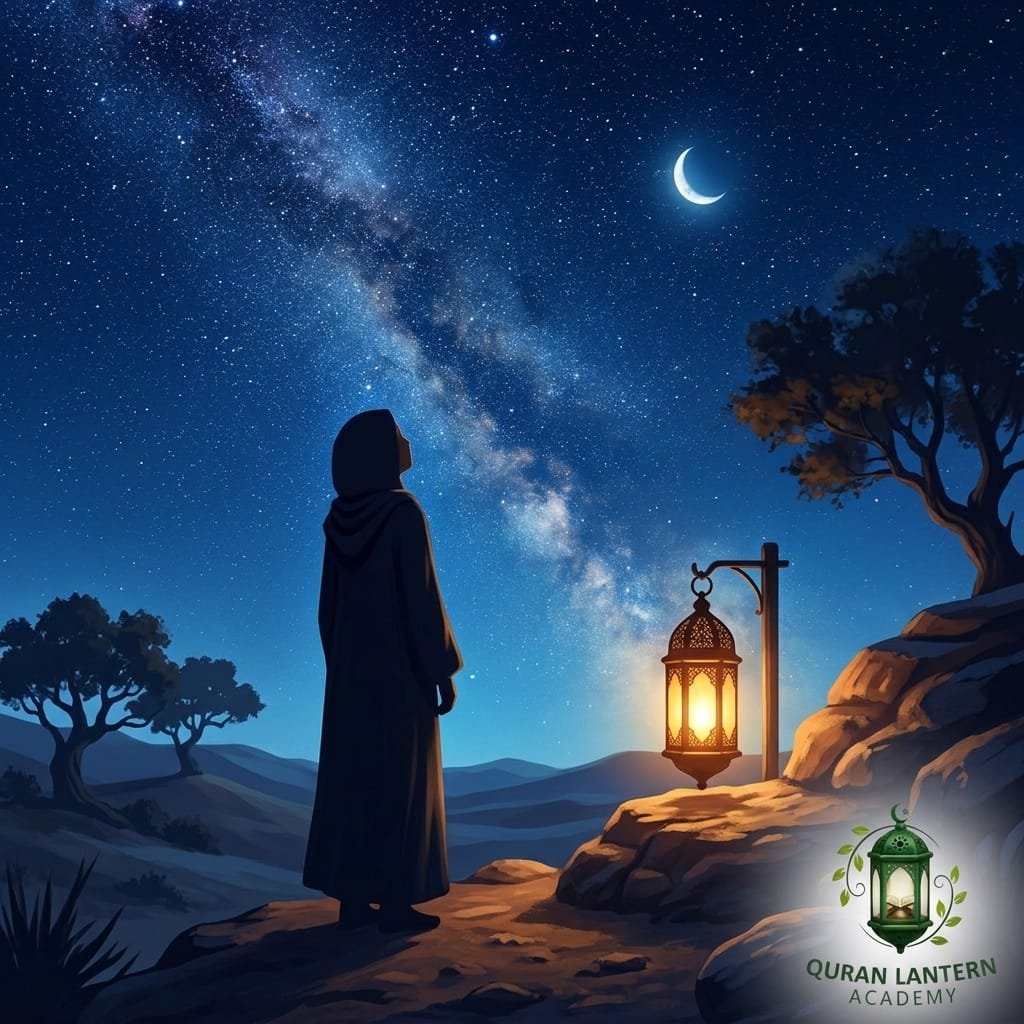
Welcome to Your Journey: You Are Never Alone
Assalamu alaikum, dear brother or sister! Welcome back to Quran Lantern Academy. If you are reading this as a new Muslim, first let me send you a warm, heartfelt embrace. Alhamdulillah (Praise be to Allah) that you have found your way to the truth. Taking the step to revert to Islam is one of the bravest and most beautiful choices you will ever make.
However, we also want to be very honest with you: walking this new path is not always easy. Sometimes, family members do not understand your choice. Sometimes, old friends drift away. You might feel overwhelmed learning how to pray, how to pronounce Arabic words, or how to fit into a brand-new community while still navigating your daily life.
If you are feeling lonely, misunderstood, or heavy-hearted today, take a deep breath. You are in very good company. Today, in our “Moments in Islamic History” series, we are going to look back at a deeply emotional and pivotal time in the life of our beloved Prophet Muhammad (peace be upon him). It is a story designed by Allah to bring ultimate comfort to your heart.
What Was the Year of Sorrow? (Am al-Huzn)
To truly understand the Prophet Muhammad (peace be upon him), we must remember that he was a human being who felt deep pain, grief, and exhaustion. About ten years into his mission of spreading Islam, he faced a 12-month period so difficult that historians named it Am al-Huzn—which translates directly to The Year of Sorrow.
The Loss of His Greatest Supporters
During this single year, the Prophet (peace be upon him) suffered two devastating personal losses:
- Khadijah (may Allah be pleased with her): His beloved wife, his confidante, and his rock. She was the very first person to believe in him when the world rejected him. She spent her wealth, her energy, and her love protecting him. Losing her broke his heart.
- Abu Talib: His uncle and protector. Even though Abu Talib never officially accepted Islam, he used his social standing and political power to shield the Prophet from the violent persecution of the ruling tribe, the Quraysh. With Abu Talib gone, the Prophet was suddenly left completely exposed to physical and verbal abuse.
To make matters worse, shortly after these losses, the Prophet traveled to the city of Ta’if hoping the people there would listen to his message of peace and monotheism. Instead, they mocked him, chased him out of the city, and incited young boys to throw stones at him until his shoes filled with his own sacred blood. He sat under a tree, bruised, bleeding, and heartbroken, making a famous, tearful dua (supplication) to Allah, asking if He was angry with him.
The Divine Response: The Night Journey (Isra and Miraj)
Why does Allah allow His most beloved people to suffer? This is a question many new Muslims ask when tests and trials come their way. The story of the Year of Sorrow teaches us a profound lesson: after every hardship, ease follows closely behind.
Shortly after hitting rock bottom emotionally and physically, Allah granted the Prophet Muhammad (peace be upon him) one of the greatest miracles in human history: Al-Isra wal-Mi’raj (The Night Journey and Ascension). In a single night, the Prophet was taken miraculously from Makkah to Jerusalem, and then raised up through the heavens to the very presence of Allah.
It was during this breathtaking journey that the daily prayers (Salah) were prescribed as a direct gift from Allah to comfort the believers. The Prophet was shown that earthly pain is temporary, but the majesty and mercy of Allah are eternal.
How to Apply This in Your Daily Life as a New Muslim
History is not just a collection of old stories; it is a spiritual map for our lives today. Here is how you can take the lessons from the Year of Sorrow and apply them when life gets heavy:
1. Acknowledge Your Pain Without Despair
The Prophet Muhammad (peace be upon him) openly wept when Khadijah died. Islam does not teach us to hide our emotions or pretend we are okay when we are not. If you are crying because family members reject your new faith, or because you feel overwhelmed, let it out. Talk to Allah honestly. He already knows what is in your heart; He simply wants to hear you call upon Him.
2. Recognize That Hard Times Do Not Mean Allah is Angry With You
When bad things happen, it is easy for shaytan (the devil) to whisper doubts into your mind, saying, “If God loved you, this wouldn’t happen.” Remember the Prophet in Ta’if—he was the most beloved creation of Allah, yet he bled. Trials are often a means of purification, spiritual growth, and preparing your heart for a massive breakthrough.
3. Run to Your Prayers (Salah)
Just as the Night Journey brought the gift of prayer to soothe the Prophet’s soul, your five daily prayers are your personal spiritual recharge stations. When the world feels too loud, pause, lay down your prayer mat, and whisper your worries to Allah in Sujud (prostration). It is the closest you will ever be to Him.
Conclusion: You Are Walking a Noble Path
Dear friend, your journey in Islam is unique, precious, and deeply valued by Allah. The struggles you face today are building your spiritual muscles for a beautiful tomorrow. Whenever you feel lonely or overwhelmed, remember the Year of Sorrow, and remember that relief is always just around the corner.
Here at Quran Lantern Academy, we are honored to walk this path with you. Stay steadfast, keep seeking knowledge, and never hesitate to lean on your new community. May Allah ease your burdens, fill your heart with tranquility, and make every step of your Islamic journey a source of immense reward. Ameen!