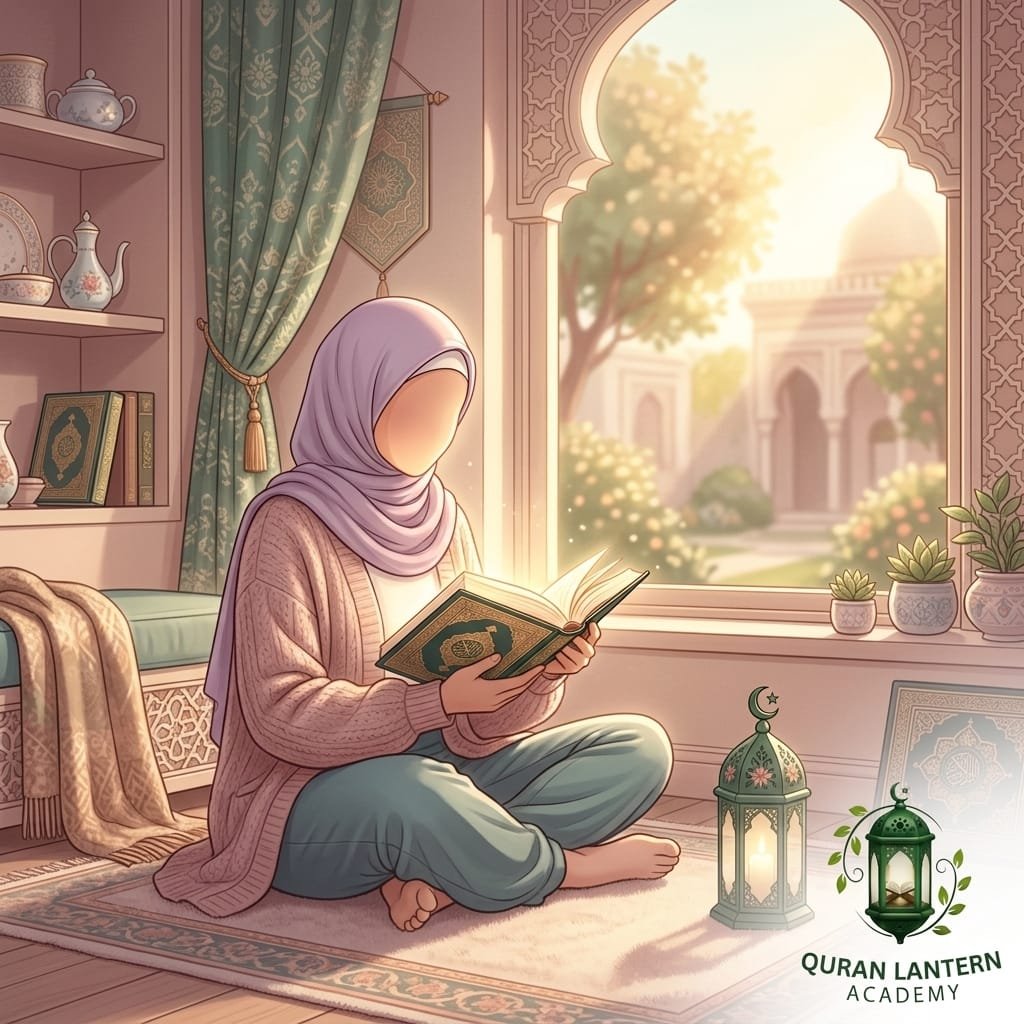

Welcome to Your Spiritual Journey of Prayer
Assalamu Alaikum (Peace be upon you), dear friend! Taking the Shahada (declaration of faith) and stepping into Islam is one of the most courageous and beautiful decisions you will ever make. Welcome to the family! As a new Muslim, or ‘revert,’ you might feel a mixture of overwhelming joy and a little bit of nervousness, especially when it comes to learning how to pray.
At Quran Lantern Academy, we want you to know one fundamental truth: Allah (God) loves your effort. He sees every stumble, every mispronounced word, and every tear you shed in your sincere desire to connect with Him. Prayer, known in Arabic as Salah (formal worship), is not meant to be a stressful test. Instead, it is your daily sanctuary—a direct phone line to your Creator.
What is Salah and Why Does It Matter?
The Spiritual Anchor of Your Day
Imagine having a trusted friend whom you love talking to, someone who listens to your deepest worries and celebrates your joys. That is what Salah is, but on a much higher, divine level. Five times a day, Muslims pause whatever they are doing to stand before Allah. These moments act as spiritual anchors, keeping us grounded in a chaotic world.
In Islamic tradition, the Prophet Muhammad (peace be upon him) described prayer as the coolness of his eyes. For a new Muslim, learning Salah is a gradual process. You are not expected to be a master overnight. Every step forward, no matter how small, is a victory celebrated by the angels.
Preparing for Prayer: The Basics
Before you begin your prayer, there are a few essential steps to ensure you are physically and spiritually ready. Don’t worry; they become second nature very quickly!
- Wudu (Ablution): This is the ritual washing of specific body parts (hands, mouth, face, arms, head, and feet) with water before prayer. It symbolizes cleaning our physical bodies as we prepare to stand before the Purest.
- Clean Clothing and Space: You need to wear modest clothing that covers the required parts of the body (awrah) and pray in a clean space. A simple prayer mat (sejjadah) works wonderfully.
- Facing the Qibla: This means facing the direction of the Holy Kaaba in Makkah. There are many smartphone apps available today that can help you find this direction instantly from anywhere in the world.
The Structure of Salah: Step-by-Step
Every prayer is made up of units called Rakats. Depending on the time of day, a prayer has 2, 3, or 4 Rakats. Here is a simple breakdown of what happens during one Rakat:
1. The Intention (Niyyah)
You don’t need to say this out loud. Just know in your heart which prayer you are about to perform (for example, the morning prayer, Fajr).
2. Standing and Opening
You raise your hands to your ears and say “Allahu Akbar” (God is the Greatest). This signifies that nothing in this world is greater than Allah.
3. Reciting the Quran
You recite the opening chapter of the Quran, known as Al-Fatiha (The Opening). If you are still learning Arabic, it is completely okay to recite its meaning in English or do your best with the Arabic text while you learn.
4. Bowing (Ruku)
You bow forward, placing your hands on your knees, and praise God’s greatness quietly.
5. Prostration (Sujud)
This is the most beloved posture in Islam. You place your forehead, nose, hands, knees, and toes flat on the ground. When you are in Sujud, you are physically at your lowest, but spiritually you are closest to Allah. Tell Him your secrets here; He is listening!
How to Apply This in Your Daily Life
Learning how to pray can feel like learning a new language and a new choreography all at once. Here are some compassionate, practical tips to help you integrate Salah into your daily routine without burning out:
- Take it One Step at a Time: If praying five times a day feels daunting, start with one or two prayers. Build the habit gradually. Allah loves consistent, small deeds over massive deeds that you cannot maintain.
- Use Cheat Sheets: Print out a phonetic guide or use a mobile app that displays the English translations and transliterations while you pray. It is completely acceptable to read from a paper or screen during the learning phase.
- Be Patient with Yourself: You will forget steps. You will lose count of your Rakats. It is completely normal! Just make a mental note, finish your prayer with peace, and smile. Allah judges us by our sincere intentions.
- Find a Prayer Buddy: Connect with a local community center or a mentor who can practice with you in a judgment-free environment.
Conclusion: You Are Doing Great
Dear brother or sister, remember that your journey to Allah is a marathon, not a sprint. Every single effort you put into learning how to bow and prostrate to your Creator is being written down in your book of good deeds. Do not let perfectionism rob you of the joy of worship.
At Quran Lantern Academy, we are honored to walk beside you on this magnificent path. Explore our other beginner-friendly courses, articles, and community resources designed specifically to support you. May Allah make your prayers a source of deep peace, comfort, and ultimate joy. Ameen!