Welcome to the Heart of Connection: Understanding Dua
Assalamu Alaikum (Peace be upon you), dear brother or sister! Welcome to the family of Islam. If you are new to the faith, you might sometimes feel overwhelmed by the new habits, words, and routines you are learning. Take a deep breath. Allah sees your sincere efforts, and He loves the steps you are taking toward Him. Today, we want to talk about one of the most comforting, beautiful gifts given to a Muslim: Dua, which simply means supplication or talking to God.
Before Islam, you may have prayed in traditional ways, or perhaps prayer felt formal and distant. But in Islam, Dua is different. It is not just a ritual; it is a deeply personal conversation with your Creator. You do not need an appointment, you do not need to use complicated language, and you do not even have to speak out loud. Allah is closer to you than your jugular vein, and He is always listening.
What is Dua and Why is it Essential for Your Spiritual Growth?
In the Quran, Allah tells us a beautiful and reassuring truth: “And when My servants ask you concerning Me, indeed I am near. I respond to the invocation of the supplicant when he calls upon Me” (Quran 2:186). This verse is a warm embrace from your Lord. It tells you that no matter where you are, no matter how new you are to Islam, and no matter what mistakes you might feel you have made in the past, Allah is waiting to hear from you.
For a new Muslim, Dua is your spiritual oxygen. It helps you:
- Build a Direct Relationship with Allah: You don’t need an intermediary. You speak directly to the One who created your heart.
- Find Peace in Difficult Moments: The transition to Islam can sometimes bring tests—family misunderstandings, lifestyle changes, or internal doubts. Dua is your refuge.
- Stay Grounded: Remembering Allah throughout your busy day keeps your heart soft and focused on what truly matters.
You Do Not Need Arabic to Talk to Allah
One of the biggest worries new Muslims have is, “I don’t know enough Arabic yet! Can I make Dua in English?” The short answer is: Absolutely, yes!
While learning short Arabic phrases is wonderful and rewarding, Allah understands every single language in existence because He created them all. Whether you speak in English, Spanish, French, or your native tongue, pour your heart out to Him. Tell Him about your fears, your hopes, your gratitude, and your confusion. Allah loves the raw, honest words of a sincere heart far more than rehearsed phrases that lack emotion.
The Etiquette of Making Dua: Softening Your Heart
While you can make Dua anytime and anywhere, the Prophet Muhammad (peace and blessings be upon him) taught us certain beautiful manners that help our prayers rise with grace. Here is how you can enhance your supplications:
1. Start with Praise and Gratitude
Begin your conversation by praising Allah and thanking Him for the blessings in your life—especially the greatest blessing of all: guiding you to Islam. Say something simple like, “O Allah, all praise belongs to You. Thank You for guiding me to the truth.”
2. Send Blessings upon the Prophet
It is a lovely prophetic tradition to send peace and blessings upon Prophet Muhammad (peace be upon him) during our prayers. You can simply say, “O Allah, send peace and blessings upon our teacher Muhammad.”
3. Raise Your Hands and Be Humble
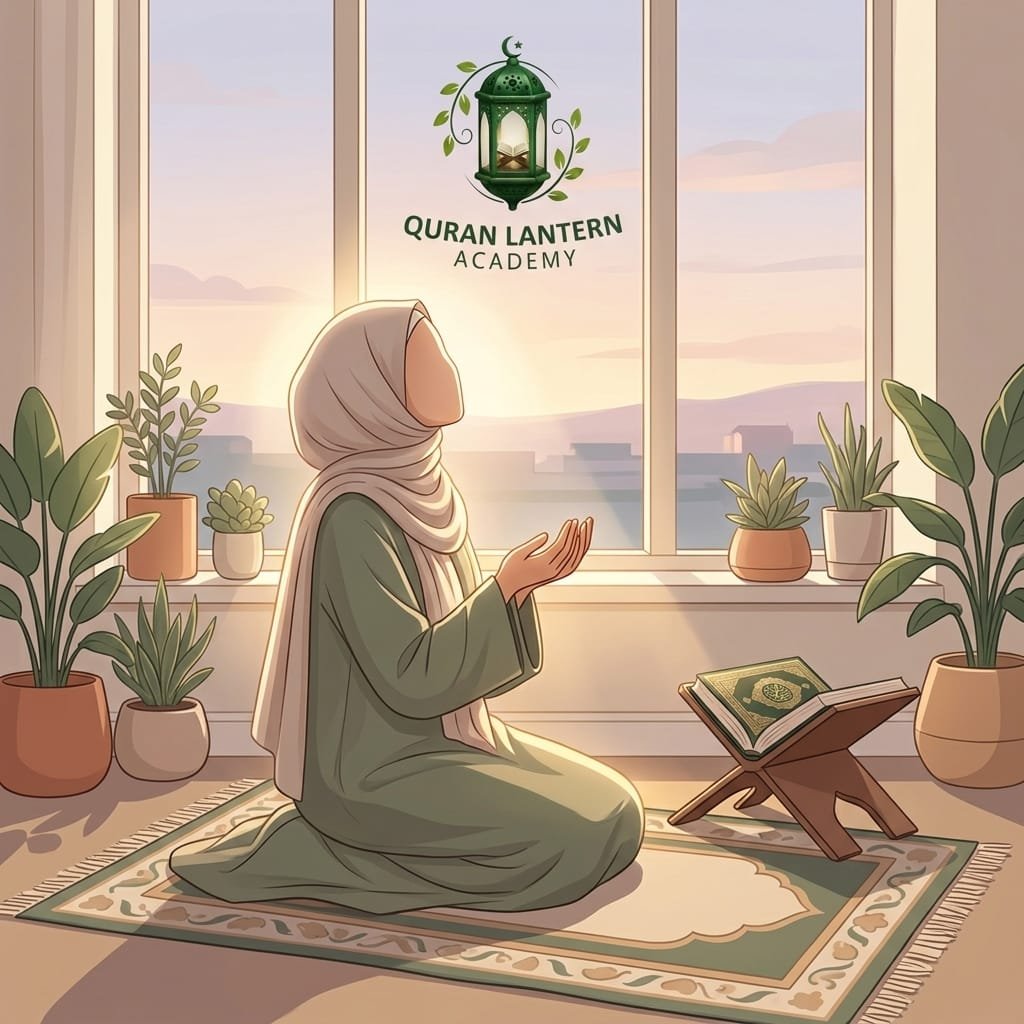
Raising your hands palms-up is a sign of complete surrender and humility before the Almighty. It symbolizes a beggar asking the Most Generous King. You can whisper, or even make Dua silently in your mind while walking, working, or resting.
4. Be Persistent and Patient
Sometimes, we want answers immediately. But remember that Allah answers every Dua in one of three ways: He gives you what you asked for right away, He saves it as a reward for you in the Hereafter, or He wards off a hidden harm from you instead. Never give up on calling upon Him!
How to Apply This in Your Daily Life
Knowledge is wonderful, but transformation happens when we put it into practice. Here are a few simple ways to weave Dua into your everyday routine as a new Muslim:
- The Morning Check-In: As soon as you wake up, before looking at your phone, whisper a simple thank you to Allah for a new day. Ask Him to bless your day and keep you close to Him.
- The Prostration (Sujud) Moment: When you learn to pray (Salah), remember that the closest you will ever be to Allah is when your forehead is on the ground in Sujud. Use this precious moment to softly whisper your personal needs in your own language.
- Throughout the Day (Walking and Commuting): Transform your commute or chores into spiritual time. Talk to Allah quietly about your day. Ask Him for patience when you feel stressed, and guidance when you feel lost.
- Before Sleeping: Review your day. Thank Allah for the good moments, ask for forgiveness for any shortcomings, and ask Him to protect you through the night.
Embrace Your Journey with Confidence
Dear friend, your journey in Islam is unique and deeply valued by Allah. Do not rush yourself, and do not compare your Day 1 to someone else’s Year 10. Every sincere word you whisper to your Creator is heard, recorded, and answered in the best possible way.
At Quran Lantern Academy, we are honored to walk beside you on this beautiful path of knowledge, faith, and spiritual growth. Explore our beginner-friendly courses, articles, and resources designed specifically to make your Islamic journey smooth, joyful, and deeply rewarding. May Allah bless you, fill your heart with tranquility, and make every Dua you whisper a reality. Ameen!