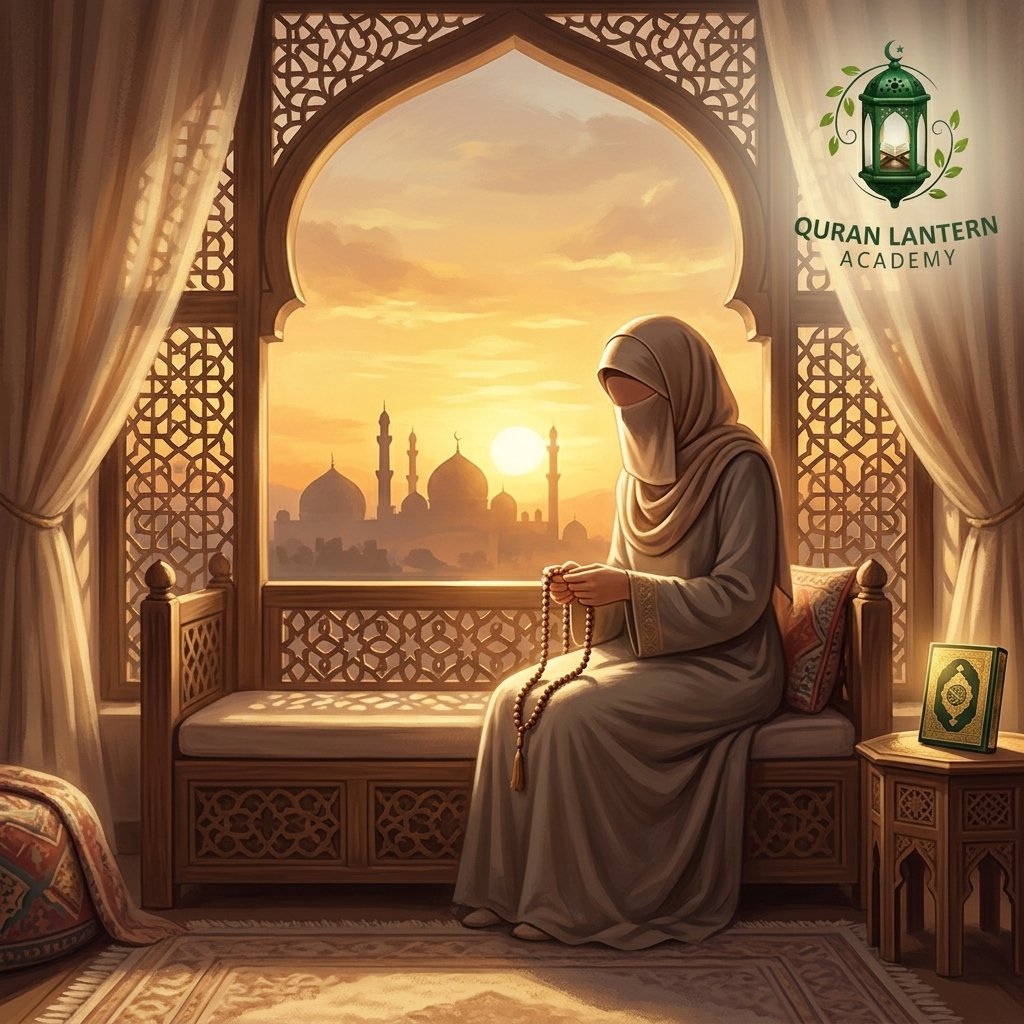

Welcome to the Beautiful Journey of Prayer
Assalamu alaikum (Peace be upon you), dear friend! Taking the step to embrace Islam is a life-changing milestone, and learning how to pray in islam is one of the most exciting parts of your new journey. If you are feeling a little overwhelmed, take a deep breath. Allah (God) knows your heart, your efforts, and your sincere desire to connect with Him. He does not expect perfection overnight; He loves the gradual steps you take toward Him.
In Islam, the daily ritual prayer is known as Salah. It is not just a chore or a physical routine; it is a profound gift. Imagine having a direct, personal appointment with the Creator of the universe five times a day, where you can whisper your deepest worries, express your gratitude, and ask for His divine guidance. Let us break down how to pray in islam in a simple, supportive, and stress-free way.
Understanding the Basics Before You Begin
Before stepping onto your prayer mat, there are a few simple preparatory steps required to ensure your prayer is valid and accepted.
1. Purity and Cleanliness (Wudu)
Just as you would wash up before meeting someone important, Muslims perform a ritual washing called Wudu (ablution) before praying. Wudu involves washing specific parts of the body with water, such as the hands, face, arms, and feet. Don’t worry if you haven’t memorized the exact steps yet—take it one day at a time, and keep a guide nearby.
2. Proper Clothing and Time
You must wear clean clothes that cover the body modestly (loose clothing for women that covers everything except the face and hands, and modest clothing for men from the navel to the knee). Prayers are also tied to specific times of the day, governed by the position of the sun: Dawn (Fajr), Midday (Dhuhr), Afternoon (Asr), Sunset (Maghrib), and Night (Isha).
Step-by-Step: How to Pray in Islam
Once you are clean, facing the direction of the Kaaba in Makkah (called the Qibla), and standing on a clean surface, you are ready to begin your prayer cycles, known as Rak’ahs.
Step 1: The Intention (Niyyah) and Opening Takbir
Stand up straight and make a silent intention in your heart for the specific prayer you are performing. Then, raise your hands to your shoulders or ears and say:
“Allahu Akbar” (God is the Greatest).
This phrase signals that you are leaving the distractions of the outside world behind and focusing entirely on God.
Step 2: Standing and Reciting Al-Fatihah
Place your right hand over your left hand on your chest or stomach. You will recite the opening chapter of the Quran, called Surah Al-Fatihah. As a beginner, if you haven’t memorized the Arabic yet, you can read it from a translation or a transliteration sheet, or simply praise God quietly in your native language until you learn it. God hears every language!
Step 3: Bowing (Rukoo)
After your recitation, bow from the waist with a flat back, placing your hands on your knees. Gently say three times:
“Subhana Rabbiyal Azeem” (Glory be to my Lord, the Greatest).
Step 4: Rising and Prostrating (Sajdah)
Stand back up briefly saying, “Sami’Allahu liman hamidah” (God hears the one who praises Him), and then lower yourself into prostration (Sajdah). This is the most beautiful posture in prayer, where your forehead, nose, hands, knees, and toes touch the ground. You are never closer to God than when you are in prostration. Here, whisper:
“Subhana Rabbiyal A’la” (Glory be to my Lord, the Most High) three times.
Step 5: Sitting and the Concluding Salam
After completing two prostrations, you will sit back on your heels or feet. Depending on whether it is the final cycle of your prayer, you will recite specific peace greetings upon the Prophet and conclude your prayer by turning your face to the right and saying, “Assalamu alaikum wa rahmatullah” (Peace be upon you and the mercy of Allah), and repeating it to the left.
How to Apply This in Your Daily Life as a Revert
Learning how to pray in islam is a marathon, not a sprint. Here are some compassionate, practical tips to help you build this habit without burning out:
- Take it One Step at a Time: If praying five times a day feels overwhelming right now, start with one or two prayers. Build consistency gradually. Allah loves small, consistent deeds over large deeds that are eventually abandoned.
- Use Visual Aids: Print out a cheat sheet with the phonetic transliteration of what to say and keep it right in front of your prayer mat. There is no shame in reading while you learn!
- Be Patient with Your Memory: Arabic might be completely new to you. Give your brain time to adapt. Every time you struggle to remember a phrase, you are getting extra reward for your sincere effort.
- Don’t Fear Mistakes: If you forget a step or lose count during your prayer, just complete the prayer. God is forgiving and deeply appreciative of your struggle.
Conclusion
Embarking on the journey of learning how to pray in islam is one of the most rewarding commitments you will ever make. It brings unmatched peace, spiritual grounding, and a direct link to your Creator. Remember, you do not have to walk this path alone. Here at Quran Lantern Academy, we are dedicated to supporting new Muslims with compassionate guidance, easy-to-follow resources, and a welcoming community. May Allah make your transition smooth, accept your prayers, and fill your heart with tranquility. Keep going—you are doing wonderfully!