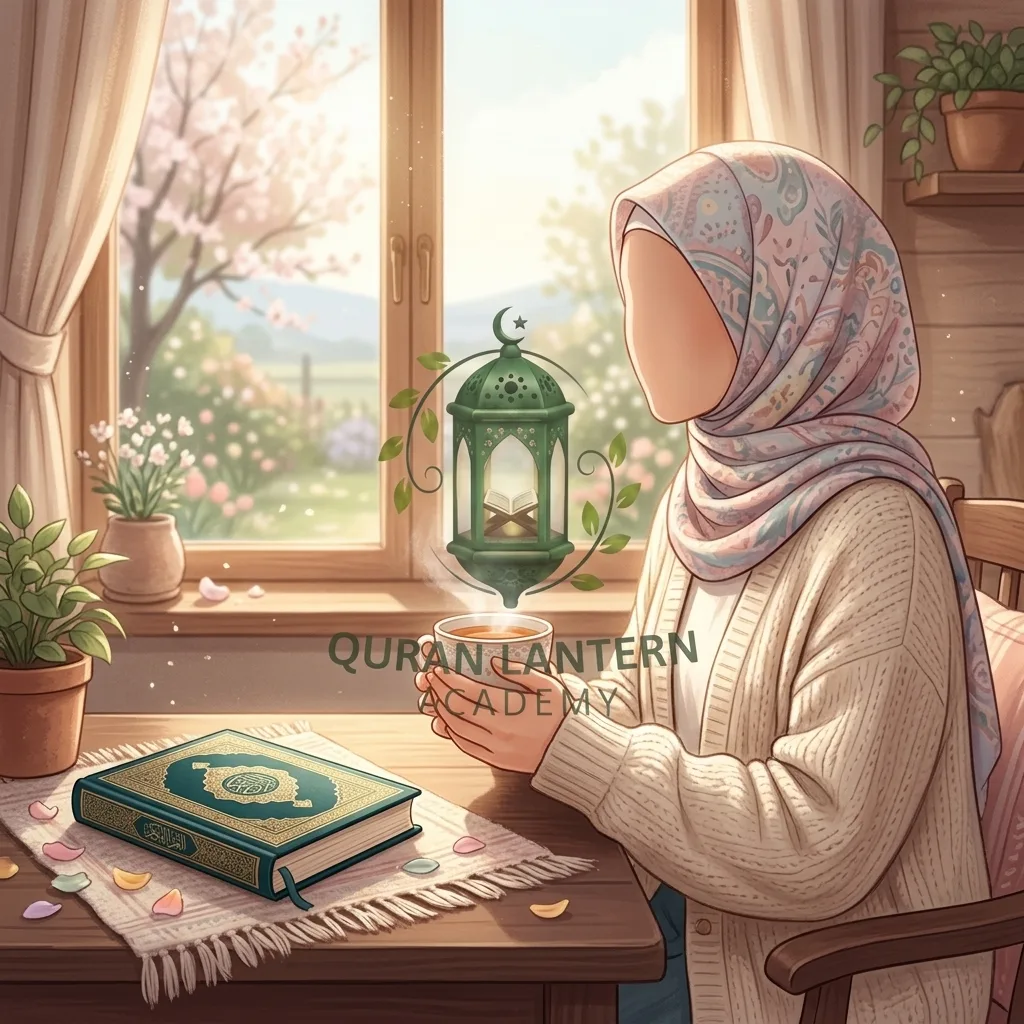

Welcome, Dear Friend, to a Journey of Hope
Assalamu Alaikum (Peace be upon you), dear brother or sister! If you are reading this as a new Muslim, first let me say: welcome home. Embracing Islam is one of the most beautiful and courageous decisions you will ever make. However, as you may have already noticed, walking the path of faith is not always an easy stroll. Sometimes, life throws heavy challenges your way. Friends might not understand your new lifestyle, family dynamics might shift, or personal tests might weigh heavily on your heart.
When these moments arrive, it is completely normal to feel overwhelmed. You might ask yourself, ‘Did I make the right choice? Why is this happening to me?’ Take a deep breath. You are never alone. Today, we are going to look into the sacred history of Islam—known as the Seerah (the biography of Prophet Muhammad, peace be upon him)—to find comfort, warmth, and practical strength for your daily life.
The Hardest Day: The Journey to Ta’if
To truly understand how much the Prophet Muhammad (peace be upon him) cares for us and understands our struggles, we must look back at a very difficult chapter in early Islamic history. It is known as Aam al-Huzn, or the ‘Year of Sorrow.’
During this year, the Prophet lost his beloved wife, Khadijah, who was his greatest emotional support, and his protective uncle, Abu Talib. To make matters worse, the people of Makkah were growing increasingly cruel to the early Muslims. Seeking a place where he could share the message of peace and find a safe haven, the Prophet decided to walk to the nearby city of Ta’if.
It was a long, exhausting journey on foot, covering roughly sixty miles across rocky, unforgiving terrain. He walked not out of pride or for personal gain, but out of profound love and mercy for humanity. He simply wanted them to know the beauty of worshipping One God.
When Rejection Hurts the Deepest
Imagine arriving in a new city tired, thirsty, and hopeful, only to be met with outright hostility. The leaders of Ta’if did not just politely decline the message; they mocked the Prophet, insulted him, and incited the street youth and townspeople to line the pathways. As the Prophet Muhammad (peace be upon him) walked through the city, stones were thrown at him. He was pelted until his shoes became soaked with his own blessed blood.
Bleeding, exhausted, and heartbroken, he managed to escape the city boundaries, taking refuge beneath the shade of a grape orchard belonging to two wealthy brothers from Makkah.
Think about this for a moment. The chosen messenger of God, loved by the Creator of the heavens and the earth, was bleeding and hurting in the dirt. If God loved him, why did this happen? Because this world is a place of tests, and the greatest of people face the hardest of trials.
The Angel of the Mountains: Mercy Over Revenge
As the Prophet sat bleeding and catching his breath, the skies opened up. The Angel Jibril (Gabriel) descended alongside the Angel of the Mountains. The Angel of the Mountains greeted the Prophet with immense respect and said, ‘O Muhammad, God has heard what your people said to you. I am the Angel of the Mountains, and your Lord has sent me to you so that you may command me what you will. If you wish, I will crush them between the two mountains of Makkah!’
Stop and imagine the sheer power of that moment. The people of Ta’if had humiliated him, mocked him, and caused him physical agony. He had every right, by human standards, to say yes. He could have wiped them out.
Instead, the Prophet Muhammad (peace be upon him)—the embodiment of mercy—replied with words that still echo softly in our hearts today: ‘No! Rather, I hope that Allah will bring forth from their loins people who will worship Allah Alone, not associating anything with Him.’
He chose mercy over revenge. He chose long-term hope over short-term anger. And history proved him right; generations later, the descendants of those very people became devout Muslims.
How to Apply This in Your Daily Life as a New Muslim
You might be wondering: ‘This is a beautiful story, but how does it help me when my boss makes fun of my hijab, or my parents don’t understand why I won’t eat pork?’ Here is how you can practically weave the lesson of Ta’if into your everyday life:
- Expect Tests on the Path of Truth: Remind yourself that discomfort and tests are signs that you are on the right path. Even the Prophets faced hardship. When a difficulty hits, say: ‘Alhamdulillah (All praise is due to God), this is part of my journey.’
- Respond with Grace and Patience: When people misunderstand your faith, do not rush to anger. Respond with a smile, kind words, and good character. Your patience is a quiet form of preaching that speaks louder than words.
- Turn to Your Creator in Vulnerability: When the Prophet was bleeding in Ta’if, he made a famous, tearful dua (supplication) to Allah, saying, ‘O Allah, to You I complain of my weakness, my helplessness, and my low status before men…’ Whenever you feel low, pour your heart out to Allah in prayer. He hears every whisper.
- Keep Your Heart Free of Grudges: Letting go of anger toward those who hurt or judge you frees your own soul. Pray for guidance for those who misunderstand you, just as the Prophet prayed for the people of Ta’if.
Conclusion
Dear friend, your journey as a Muslim is a masterpiece in the making. Every tear you wipe away, every difficult conversation you navigate with patience, and every step you take toward Allah is recorded with immense love and reward. Remember the bruised feet in the valley of Ta’if, and remember that hardship is never the end of your story—it is simply the setup for a beautiful victory.
At Quran Lantern Academy, we are honored to walk this luminous path right beside you. If you ever need guidance, reassurance, or a friendly community to help you grow in your Islamic knowledge, we are always here for you. Keep shining brightly!