Welcome to the Beautiful Journey of Du’a
Assalamu Alaikum, dear friend! If you are new to Islam, first of all, welcome with all our hearts. Taking those first steps on this sacred journey is a courageous and beautiful choice. As a new Muslim, or revert, you might sometimes feel overwhelmed by the sheer volume of new information, Arabic terms, and daily practices. You might wonder: “Am I doing this right? Does Allah really hear me?”
Take a deep breath and let your heart settle. Today, we want to talk about one of the most comforting, beautiful, and accessible parts of your new faith: Du’a, which simply means supplication or speaking directly to Allah.
Unlike formal daily prayers (Salah), which have specific physical movements and Arabic recitations, Du’a has no rigid script. It is a direct, unfiltered conversation between you and your Creator. You can speak to Allah in your native language, whisper your deepest fears, share your daily joys, and ask for whatever you need, whenever you need it.
What is Du’a and Why is it the Core of Worship?
In Islam, the Prophet Muhammad (peace be upon him) taught us that “Du’a is worship.” Think of it as the ultimate lifeline between your heart and the Creator of the universe. Allah is not a distant ruler sitting far away; He is closer to you than your jugular vein. He knows your thoughts before you even form them, yet He loves to hear you call upon Him.
When you became Muslim, you didn’t just join a religion; you entered a deeply personal, loving relationship with Allah. Du’a is how that relationship grows. Every time you raise your hands and ask Allah for help, guidance, or even patience, you are acknowledging His supreme power and your complete reliance on Him. It is an act of humility that brings immense peace to the soul.
Common Misconceptions New Muslims Have About Du’a
It is completely normal to have doubts when you are starting out. Let’s clear up a few common worries:
- “I don’t know any Arabic prayers.” — Allah understands every language. Whether you speak English, Spanish, French, or Urdu, Allah knows the language of your heart. You do not need fancy Arabic words to make a powerful Du’a.
- “My sins are too big; why would Allah listen to me?” — Allah’s mercy encompasses everything. No matter your past, the moment you turn to Him sincerely, His doors are wide open. He loves the repentance and calls of His sincere servants.
- “I asked for something and didn’t get it, so my Du’a failed.” — In Islam, a Du’a is never wasted. When you ask Allah for something, He either grants it immediately, saves it as a reward for you in the Hereafter, or uses it to protect you from a harm you cannot see.
How to Make Du’a: A Step-by-Step Approach
While you can speak to Allah at any time, in any way, the Prophet Muhammad (peace be upon him) taught us some beautiful manners (adab) to make our supplications even more effective:
1. Start by Praising Allah and Sending Peace Upon the Prophet
Begin your conversation by acknowledging the greatness of Allah. You can simply say, “Alhamdulillah” (All praise is due to Allah). Then, send blessings upon the Prophet Muhammad (peace be upon him).
2. Be Humble and Sincere
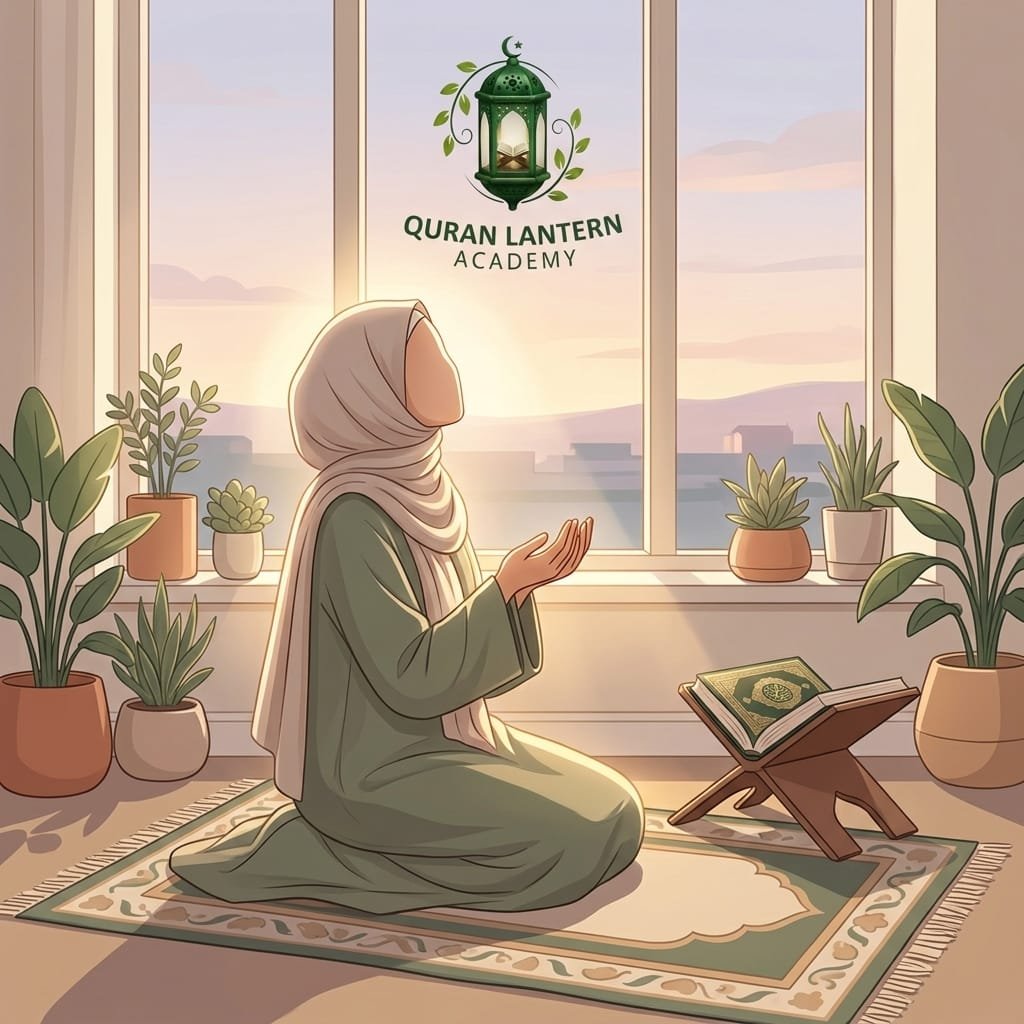
Raise your hands gently, palms facing upwards like a beggar receiving a gift, and speak with a soft, humble voice. Pour out your true feelings—don’t try to sound like someone else.
3. Ask Specifically and Generously
Don’t hold back! Allah loves it when we ask for big things. Ask for guidance, steadfastness in your faith, forgiveness, good health, and peace of mind. Remember to also pray for your family, your fellow Muslims, and humanity.
How to Apply This in Your Daily Life
Spiritual growth doesn’t happen overnight; it is built through small, consistent habits. Here is how you can weave Du’a into your daily routine:
- The Morning Check-in: As soon as you wake up, before checking your phone, whisper a simple thank you to Allah for another day of life and faith. Ask Him to bless your day.
- Keep a Du’a Journal: Write down your personal prayers, things you are grateful for, and things you are struggling with. Watching how Allah answers your prayers over months and years is a powerful faith-booster.
- Use the Best Times: Make extra time for Du’a right before breaking your fast, during the last third of the night, while it is raining, and immediately after completing your daily prayers.
- Learn Short Quranic Supplications: Gradually learn beautiful, short prayers taught in the Quran, such as: “Rabbana atina fid-dunya hasanatan…” (Our Lord, give us in this world that which is good…).
Conclusion
Dear brother or sister, remember that your journey in Islam is unique and deeply personal. Be gentle with yourself as you learn and grow. Allah sees your sincere efforts, every single tear you cry in private, and every step you take toward Him. You are never alone.
At Quran Lantern Academy, we are honored to walk beside you on this blessed path. Explore our beginner-friendly courses, articles, and community resources designed specifically to support new Muslims in building a lifelong, loving connection with the Quran and Allah. May your heart always find tranquility in His remembrance!